Hands of the Julian Heights
Open Doors in Mountain Studios
Materials Shaped by Altitude and Weather
Life Stories Carried on Mountain Paths
The Weaver from Tolmin and Her Grandmother’s Wartime Loom
She keeps her grandmother’s shuttle wrapped in linen, smooth as river stones, scarred from scarcity years. When she throws a new weft, she hears footsteps from a kitchen with one candle and a pot of nettle soup. Her cloth today is bolder, colored by blackberries and alder cones, but each selvage nods to that steady determination. She says the loom doesn’t forget, and neither should we, especially when a blanket warms two generations at once.
The Blacksmith of Rateče Restores Winter Tools with Pride
At the anvil, sparks rise like winter fireworks, and the smith’s stories ring with them. He rescues sled runners, reshaping tired iron into clean arcs that bite ice kindly. Once, a farmer cried seeing a plow reborn; the smith looked away, pretending smoke caused tears. He learned to listen to iron’s temperature by color, to village gossip by cadence, and to his own patience by the long, slow cool that seals good work.
A Violin Maker Near Bled Hears Pines Sing
In a quiet workshop not far from Bled’s reflective water, a luthier taps soundboards and hears tiny thunder, deciding which spruce may sing. He selects ribs like choosing friends for a long journey. Varnish warms under lamplight, scrolls curl with calm authority, and the first note after stringing feels like sunrise caught in wood. He tells how a childhood choir met a carpenter’s bench, and how music and making finally shook hands.
A Respectful Visitor’s Guide
Etiquette, Timing, and Kindness
Photographs, Credits, and Quiet Moments
Paying Fairly, Packing Light, Leaving Thanks
Techniques Worth Leaning In To Watch
On the Wheel: Centering, Pulling, Breathing
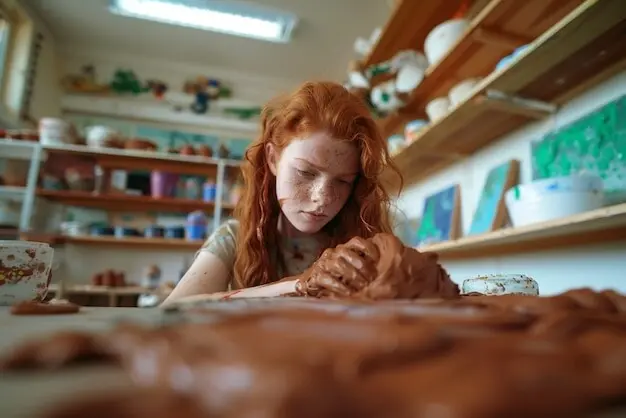
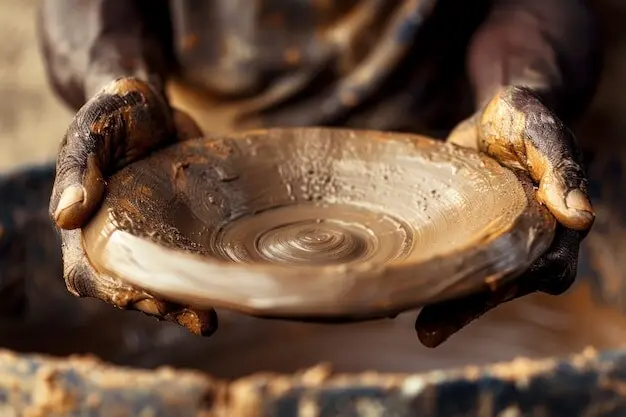
Centering clay looks simple until it isn’t. The potter’s elbows anchor to hips; her palm finds the wobble and persuades it toward stillness. Pulls rise with steady pressure and exhalation, and water keeps conversation fluent. She trims later, accepting that form reveals itself in stages. A collapsed wall becomes a learning story, a reclaimed lump becomes tomorrow’s bowl. The wheel teaches humility, rhythm, and the art of stopping exactly one breath before perfection.
Chip Carving: Geometry, Rhythm, Release
Chip carving begins with a sharp blade and lines drawn so lightly they feel imagined. Triangles lift like tiny mountain peaks, releasing facets that catch hearthlight. The carver keeps wrists low, breath slow, and attention fixed on grain direction. Mistakes are softened into patterns, not hidden. A simple board becomes a song of angles and shadows. When finished, fingertips tour the surface and find both discipline and freedom stored in every small decision.
Natural Dyes: Alder, Walnut, Wildflower Experiments
Dye pots simmer like small cauldrons of weather. Alder cones lend smoky browns; walnut husks deepen toward dusk; onion skins gleam like late hay. The dyer tests skeins, notes temperatures, and respects the patient hour between almost and yes. Mordants anchor color so shawls resist fading when mountains throw bright light across them. Every batch writes a chapter, and a spilled stain becomes a map guiding the next brave experiment.
Routes, Villages, and Gentle Detours
Along the Soča: Kobarid, Bovec, Drežnica
Upper Sava Valley: Mojstrana, Kranjska Gora, Rateče
Bohinj and Triglav’s Lakeside Shadows
Join the Circle and Keep the Fire Bright